The experiment is peer reviewed and its data are open. What it means for the theories is fiercely debated, including by their own authors.
Consciousness is the most familiar thing in the world and the least explained. Why does brain activity feel like anything at all? The philosopher David Chalmers called this the hard problem. Scientists have produced more than twenty theories. Until recently, almost none had been tested head to head.
Two rival answers
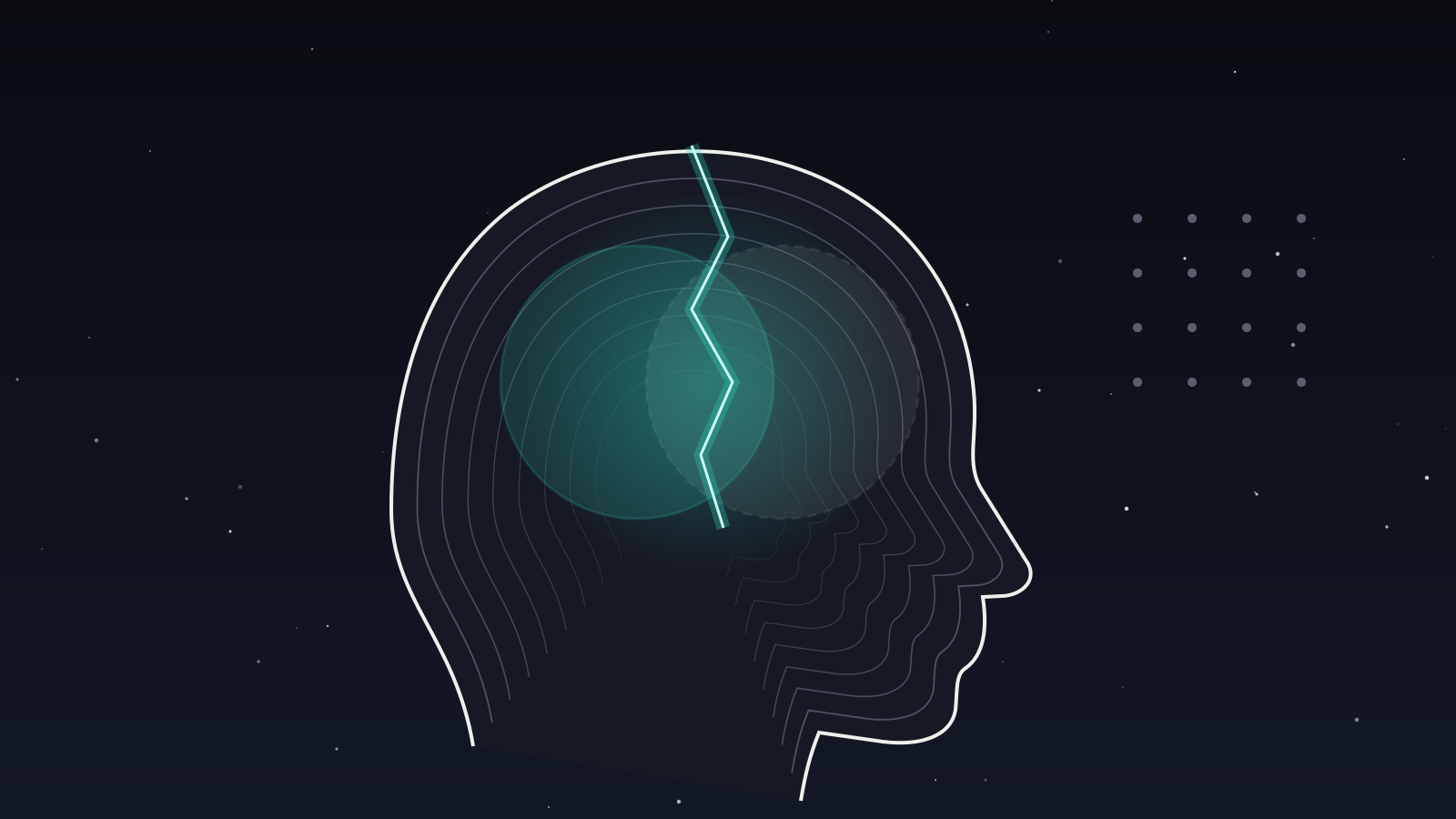
Global Neuronal Workspace Theory, developed by Bernard Baars and later Stanislas Dehaene, says information becomes conscious when it is broadcast across the brain, especially through the prefrontal and parietal cortex, in a sudden burst of activity called ignition.
Integrated Information Theory, developed by Giulio Tononi, starts from experience itself. It says consciousness is integrated information, measured by a quantity called Phi, and places it mainly in the posterior cortex at the back of the brain.
A fight with rules
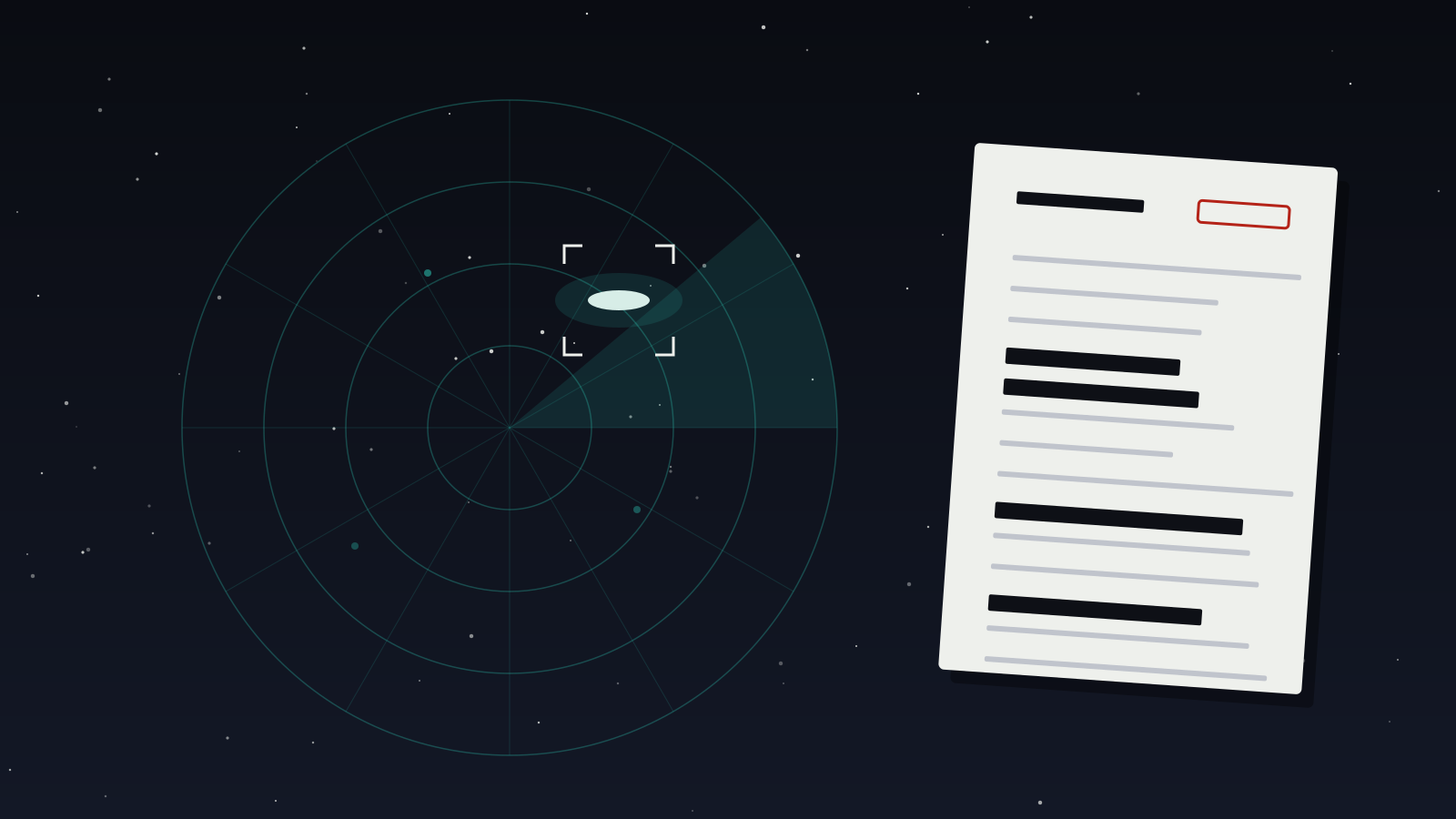
In 2018 a group led by Lucia Melloni set up something unusual: an adversarial collaboration. The leaders of both theories sat down with neutral researchers and agreed, before any data were collected, which results would support or damage each theory. Every hypothesis and analysis was preregistered. Independent teams ran the experiments across several laboratories, testing around 250 people with three different brain imaging techniques.
Both camps agreed in advance to accept the outcome, whatever it turned out to be.
The result
The Cogitate Consortium published its findings in Nature on 30 April 2025. Both theories took damage. Integrated Information Theory predicted sustained synchronisation in the posterior cortex during conscious perception; it was not found. Global Workspace Theory predicted ignition in the prefrontal cortex when a conscious experience ends; that was not confirmed either, and some aspects of conscious content were barely represented in the prefrontal cortex at all.
Each theory also got some of its predictions right. The authors' conclusion was not that one side won, but that both need rethinking.
The pseudoscience row
The experiment sits inside a bitter dispute. In September 2023, after early results were announced, 124 researchers signed an open letter calling Integrated Information Theory pseudoscience, mainly because it implies that consciousness may be far more widespread than brains. Others, including critics of the theory, replied that the label was unfair to a theory that had just exposed itself to a real test.
Why it matters
This is what good science on a hard question looks like: rivals agreeing on the rules, predictions written down before the data arrive, and results published even when they hurt. The team has made its dataset freely available, and a second experiment is under way. The mystery is still open. The method for closing it is getting better.
Sources
- Cogitate Consortium, Adversarial testing of global neuronal workspace and integrated information theories of consciousness, Nature, 2025
- Max Planck Institute for Empirical Aesthetics, Rethinking consciousness: when science puts itself to the test, 30 April 2025
- Chalmers D. J., Facing up to the problem of consciousness, Journal of Consciousness Studies, 1995
- Nautilus, The worth of wild ideas, on the 2023 open letter, September 2023